Leadership
You Do Not Need More Confidence to Make Your Next Move
You do not need more confidence to make your next move. You need the courage to take a first step you can prepare for. You can prepare well, feel unsure, and act with good judgment at the same time.
I put courage before confidence.
You can know the work and still hesitate to put your name forward. Being seen doing it asks something different of you.
That is the gap I care about. A capable person stays quiet, a good idea stays in a notebook, and the next move waits for a feeling that has no due date.
In my Unmistakable keynote, this is the second step: Find Your Edge. Make Your Move. Build Momentum.
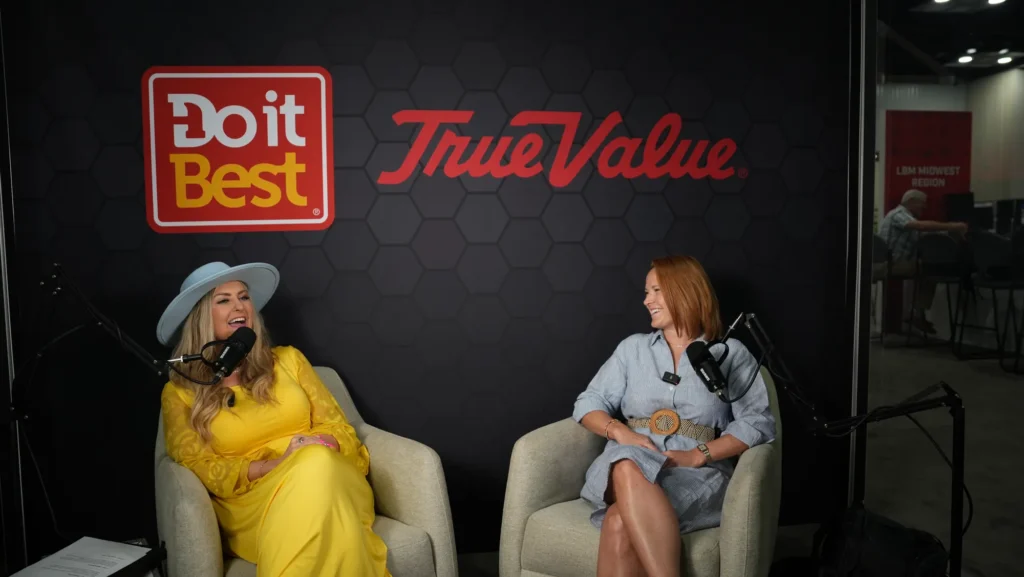
When I started my podcast, I had twenty women I knew who were willing to let me interview them. I had questions about their experiences, and we recorded a batch of interviews before we launched.
I didn’t know the balance of talking about myself versus talking about them. I also asked a lot of the same questions. These women had different stories, but listening back, I could hear how my questions made the conversations feel too much alike.
I had prepared. I still had a lot to learn about hosting. Some of that I could only hear once I had an actual interview to listen to.
Name What Is Actually Missing
You may need a current example, time to practice, or your manager’s agreement. Those are real needs. You can do something about each of them.
Wanting a promise that nobody will judge you is a different problem. More time with the slide deck will not supply that promise.
Give the First Attempt a Fair Job
Give your first attempt one clear job. Pick the part you know well, prepare it, and leave room for what you can only learn by doing it.
Your first attempt does not need to prove that you belong on every stage in the country.
My dad started his lumberyard at 35. I started Grit Blueprint at the same age. I want people to believe bigger about what they can do. I also want them to give that belief somewhere to go. A small, real attempt can teach you more than another month of wondering how it would feel.
Decide What You Will Learn
Decide what you will look for afterward. What worked? What would you change next time? Listening back to my first interviews showed me what to change.
An awkward pause is a part you can practice. A question you cannot answer is something to check. Neither has to become a ruling on your whole future.
That is how you make the risk small enough to take while keeping the work worth doing. Prepare for the task. Leave room to learn. Do not make feeling fearless a condition of starting.
Put It on the Calendar
If you have been waiting to put your hand up, choose the first version you can do with care. Put it on this week’s calendar. Name what you need to prepare and what you hope to learn.
You can feel unsure and still keep that appointment.
Give yourself a chance to find out what happens when you do.