Leadership
A Team of People Like You Will Miss Things
A team of people who think like you will share your blind spots. The teammate who slows your idea down may be noticing the part that will stop it later.
Before you call them difficult, find out what they see. Then start with what the work needs and give each person a clear role in it.
It can feel easy to work with someone who thinks like you. You explain less. You agree faster. You may also leave the same gap untouched.
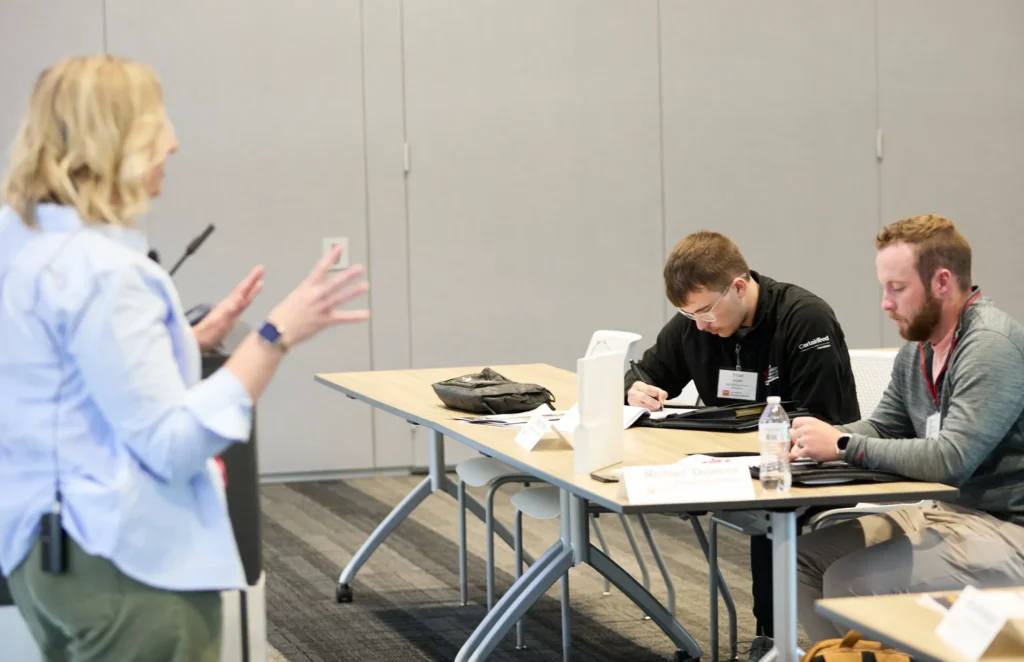
Three of us went into a client session. Afterward, I said I could have done it on my own, but I would have brought one opinion.
With the team there, we could talk about what each of us had heard. As I said in the debrief, “you hear one thing, you hear another thing.” I felt we were stronger together because of that.
I want to hear what my teammates noticed before I settle on a recommendation. They may be listening for something I’m not.
I have helped build teams, and I care about strengths because I want people doing work they can do well, together. That takes more thought than putting a fast person beside a careful person and hoping they balance out.
Name the work before you name the people.
Start With What the Work Needs
Imagine a team preparing a new product lesson for sales staff. This is a teaching example.
One person is good at seeing what a new rep needs to understand. They choose the question the lesson will answer. Another is good at checking the details. They verify the product claims against current sources. A third can explain the choice in plain language and lead the lesson.
One person could own more than one part. The point is to name the demands before you hand out roles.
Agree on How the Work Moves
The facts need checking before the finished lesson is recorded. The person leading it needs room to say when an explanation will lose the audience. Someone has to settle the scope when a new idea would turn one lesson into five.
Those choices make the strengths useful to each other. Without them, the careful review can arrive too late and the good idea can outrun what the team knows.
As a leader, you have a part in this. Your preferred way of working cannot be the only way that counts. If you move fast, give a detail review a real place in the plan. If you want more analysis, decide how much is enough to act.
Look for Evidence, Not Labels
Look for evidence when you assign the work. Notice which tasks a person handles well across projects, where people seek their help, and what improves when they are involved.
A label can start a conversation. The work should help you decide.
Leave room to grow, too. A strength should not trap someone in the same task forever. Give them a chance to stretch with the support and standard they need.
Working differently still comes with accountability. Each person needs to know what they own, when it is due, and what they can decide.
On your next project, start with the work, not the names. Find the gap your own strengths will not cover. Give someone the role and authority to cover it.
Make room for the contribution you would have missed on your own.